About UoM
Academic Excellence in the Heart of Thessaloniki
The University of Macedonia is one of Greece’s leading public universities in the fields of economics, business, social sciences, information sciences, international studies, and applied policy. Located in the centre of Thessaloniki, it combines a strong academic tradition with a modern, outward-looking profile and a clear commitment to high-quality teaching, research, innovation, and internationalisation.
The University identifies as a modern public institution distinguished by quality, freedom, democracy, meritocracy, and personal development, while its strategic orientation places strong emphasis on innovation, openness, excellence, social responsibility, and inclusive education.
For students joining the M.Sc. in Economic Analysis and Data Science (MEADS), the University of Macedonia offers an ideal academic environment: rigorous economics, strong quantitative and analytical traditions, growing links with data science and digital transformation (especially with the collaboration of the Department of Applied Informatics, https://www.uom.gr/en/dai), and a campus culture that supports interdisciplinary learning. MEADS builds naturally on the University’s strengths in economics, information sciences, applied research, business, public policy, and international academic cooperation.
A University with a Strong Academic Identity
The University of Macedonia has deep roots in higher education in Northern Greece. Its origins go back to the Graduate School of Industrial Studies of Thessaloniki, which began its operation in the academic year 1957–1958, while the institution later developed into today’s University of Macedonia. This long academic evolution has created a distinctive institutional identity, especially in economics, management, informatics, social sciences, and applied policy fields.
Today, the University hosts more than 12,000 students in fields related to economics, administration, social sciences, and political sciences. It is organised into schools and departments that include the School of Economic and Regional Studies, the School of Business Administration, the School of Information Sciences, and the School of Social Sciences, Humanities and Arts. The Department of Economics, which hosts MEADS, belongs to the School of Economic and Regional Studies and is positioned within an academic ecosystem that connects economic theory, applied analysis, business, policy, and information technologies.This institutional profile makes the University of Macedonia particularly well suited to host a modern graduate programme at the intersection of economics, data science, artificial intelligence, econometrics, and policy analysis. MEADS reflects the University’s broader mission: to prepare graduates who can think analytically, use advanced tools responsibly, and contribute to evidence-based decisions in an increasingly data-driven economy.
Modern Facilities for Learning, Research, and Student Support
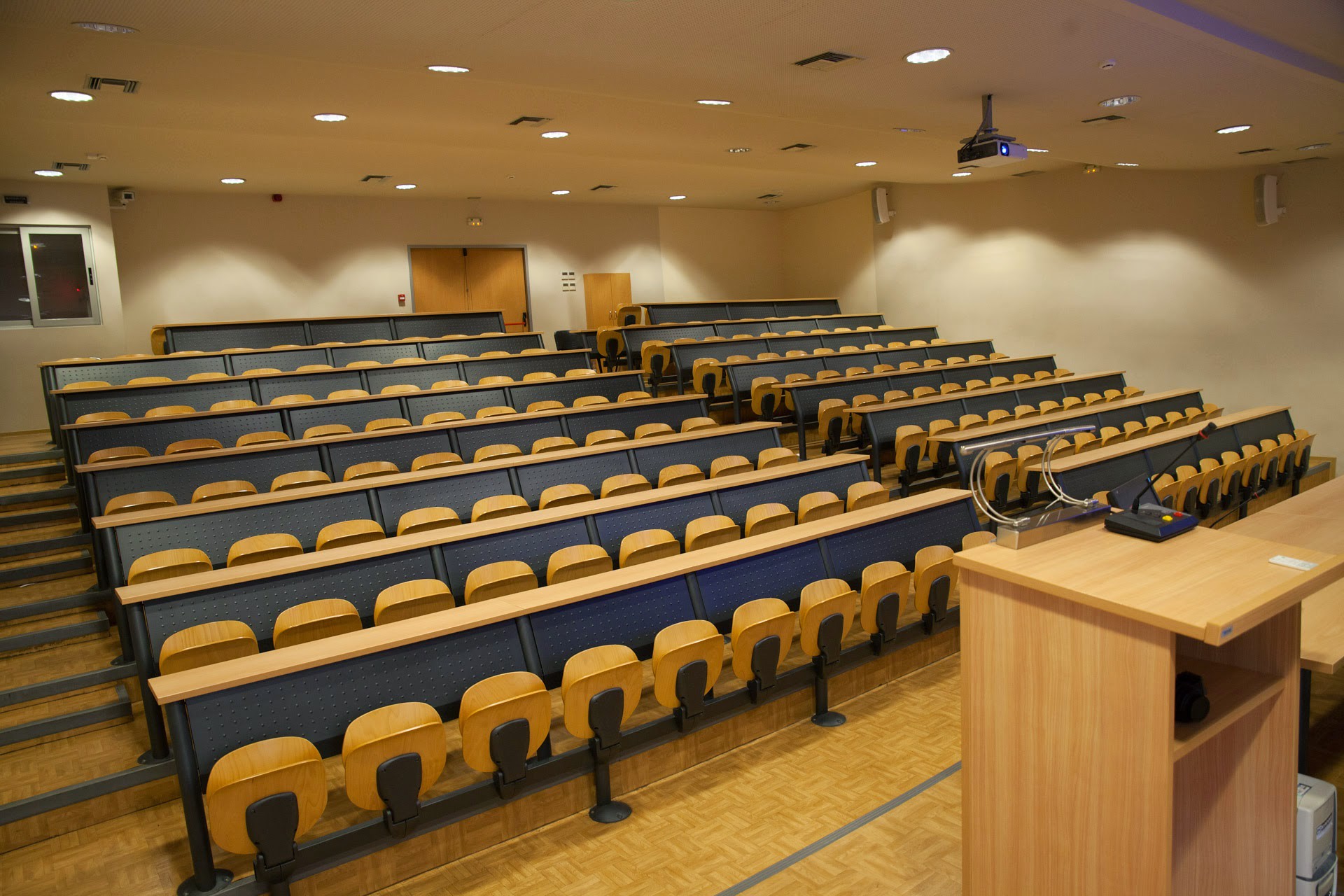
The University of Macedonia offers students access to a wide range of academic and support facilities. These are especially important for a graduate programme such as MEADS, where students need reliable access to digital services, library resources, research support, teaching platforms, and professional development opportunities.
Library and Information Resources
The University’s Library and Information Center is a core academic resource for students and faculty. It supports teaching, learning, and research through access to academic literature, reference services, electronic resources, and institutional information services. The Library was founded in 1962 and has evolved into a modern academic library serving the needs of a dynamic university community.
For MEADS students, library access is particularly valuable for research in economics, econometrics, data science, public policy, finance, environmental economics, and related fields. Students preparing dissertations, policy projects, empirical analyses, and literature-based research can benefit from the Library’s academic resources and electronic services.
Digital Infrastructure and E-Services
The University of Macedonia has developed substantial digital and network infrastructure to support teaching, research, and administration. Its Network and Computer Center provides members of the academic community with access to digital services such as academic platforms, e-learning systems, student information systems, webmail, electronic course registration, proxy access to library resources, and other online tools.
This digital environment is particularly relevant for MEADS. The programme’s focus on programming, econometrics, data analytics, machine learning, and applied modelling requires a strong technological foundation. Students benefit from a University environment that recognises digital access, information systems, and electronic learning platforms as essential parts of contemporary higher education.
Career Development and Student Support
The University’s Career Office has been operating since 1994 and provides services to students and graduates, including individual study and career counselling, labour-market networking events, workshops for professional readiness, and information on postgraduate programmes, scholarships, competitions, and job opportunities.
For MEADS students, this support is especially important. The programme is designed for graduates who want to apply economic analysis and data-science methods in professional environments where analytical skills, communication, leadership, and applied problem-solving are increasingly valuable. Career services can help students connect their academic training with professional goals in Greece, Europe, and international markets.
A Supportive Institutional Environment
The University has developed a wide set of administrative and support units, including the Directorate of the Library and Information Center, Quality Assurance Unit, Equal Access Unit, Technology Transfer Office, Strategic Planning Unit, and other services that support academic life and institutional development.
This ecosystem contributes to a well-organised student experience. MEADS students are not only joining a graduate programme; they are joining a University community with the infrastructure, services, and institutional mechanisms needed to support advanced study, research activity, and professional development.
A Campus in the Centre of Thessaloniki
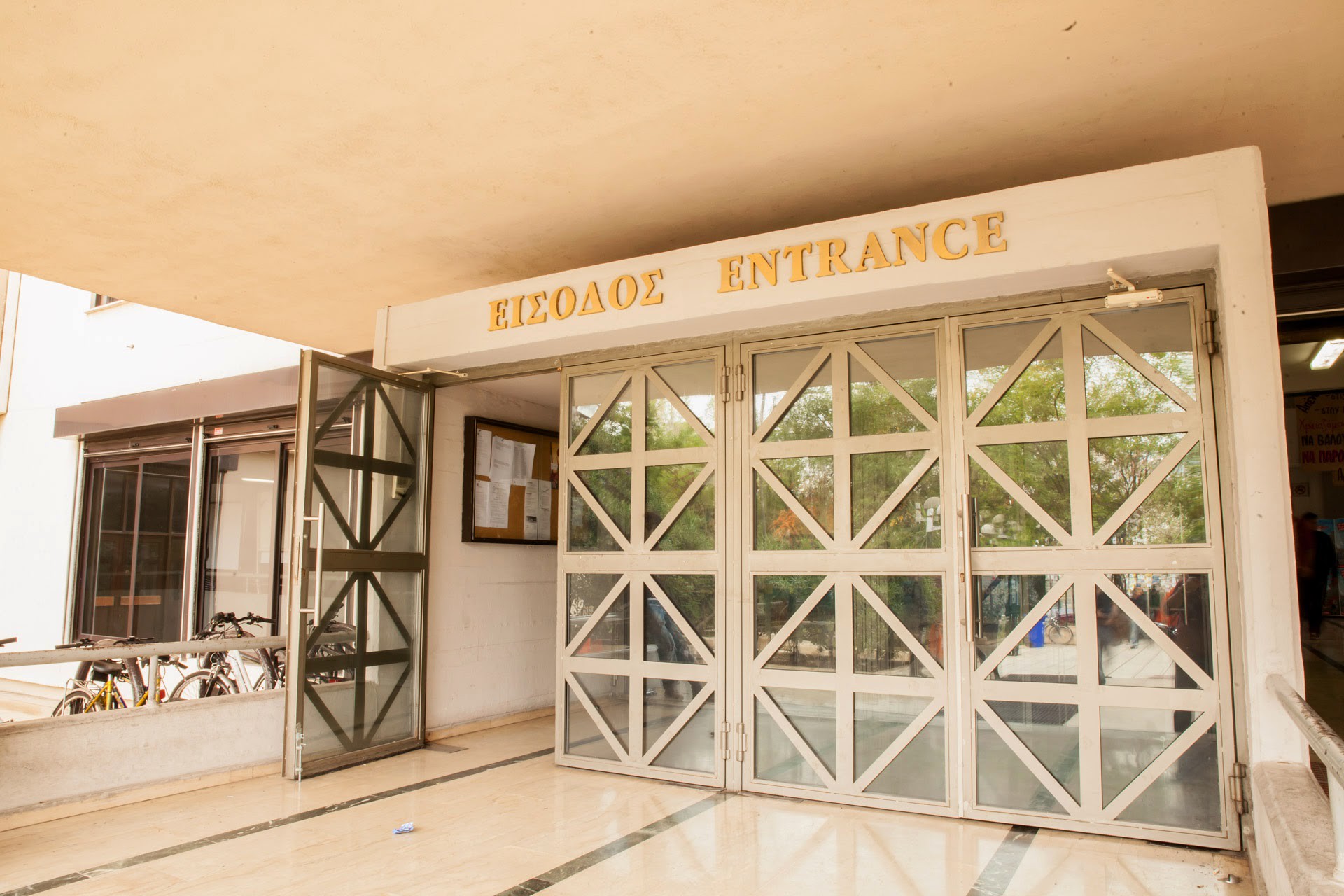
One of the major advantages of the University of Macedonia is its location. The University is situated in the centre of Thessaloniki, one of Greece’s most vibrant, historic, and student-friendly cities. Study in Greece lists the University at Egnatia Street in Thessaloniki and identifies the Department of Economics as part of the School of Economic and Regional Studies.
Thessaloniki offers an exceptional environment for graduate study. It is a major university city, home to a large student population, a growing international community, rich cultural life, a lively urban atmosphere, and direct connections to Southeast Europe and the wider Mediterranean region. For international students, Thessaloniki combines academic opportunity with accessibility, history, culture, and quality of life.
The city-centre location of the University makes student life convenient and active. Students can move easily between the University, libraries, cultural venues, cafés, museums, business districts, and the city’s waterfront. Independent international study guides also describe Thessaloniki as a highly attractive student city, noting its central campus location, affordability, international airport, and modern metro infrastructure.